
How to Taste Caviar Like a Chef: The Ultimate Luxury Guide to Premium Caviar, Flavor, and Proper Service — Featuring IKRAA’s Best-Selling Sturgeon Varieties
Caviar has long been regarded as one of the most luxurious foods in the world — a delicacy reserved for tsars, royals, and the world’s most discerning palates. Yet today, with the rise of top-tier sustainable aquaculture and nationwide caviar delivery, premium sturgeon roe has become more accessible than ever to those seeking a taste of true indulgence. When experienced correctly, caviar becomes more than food; it becomes ritual, ceremony, and sensory exploration.
If you’ve ever wondered how to eat caviar, how to serve caviar properly, what caviar tastes like, or even why caviar is so expensive, this guide will teach you everything you need to know — from tasting techniques used by professional chefs to understanding the distinctions among Osetra, Kaluga, and Beluga Hybrid.
And most importantly, this guide will show you how to choose the best caviar and where to buy it. Because in the world of premium roe, quality is everything — and brands like IKRAA, a luxury caviar house trusted by top restaurants and celebrated for its best-selling varieties, deliver an unmatched tasting experience.
What Makes Caviar So Special? Understanding the Legacy, Craft, and Rarity
To appreciate how to taste caviar like a chef, you must first understand what caviar truly is. By definition, caviar refers exclusively to the eggs (roe) of sturgeon, a fish species that has existed for over 200 million years. Not all fish eggs are caviar. Salmon roe and trout roe, for example, are simply called “roe” — not caviar.
Premium caviar comes from a select group of sturgeon species, including:
-
Osetra (Acipenser gueldenstaedtii)
-
Beluga (Huso huso)
-
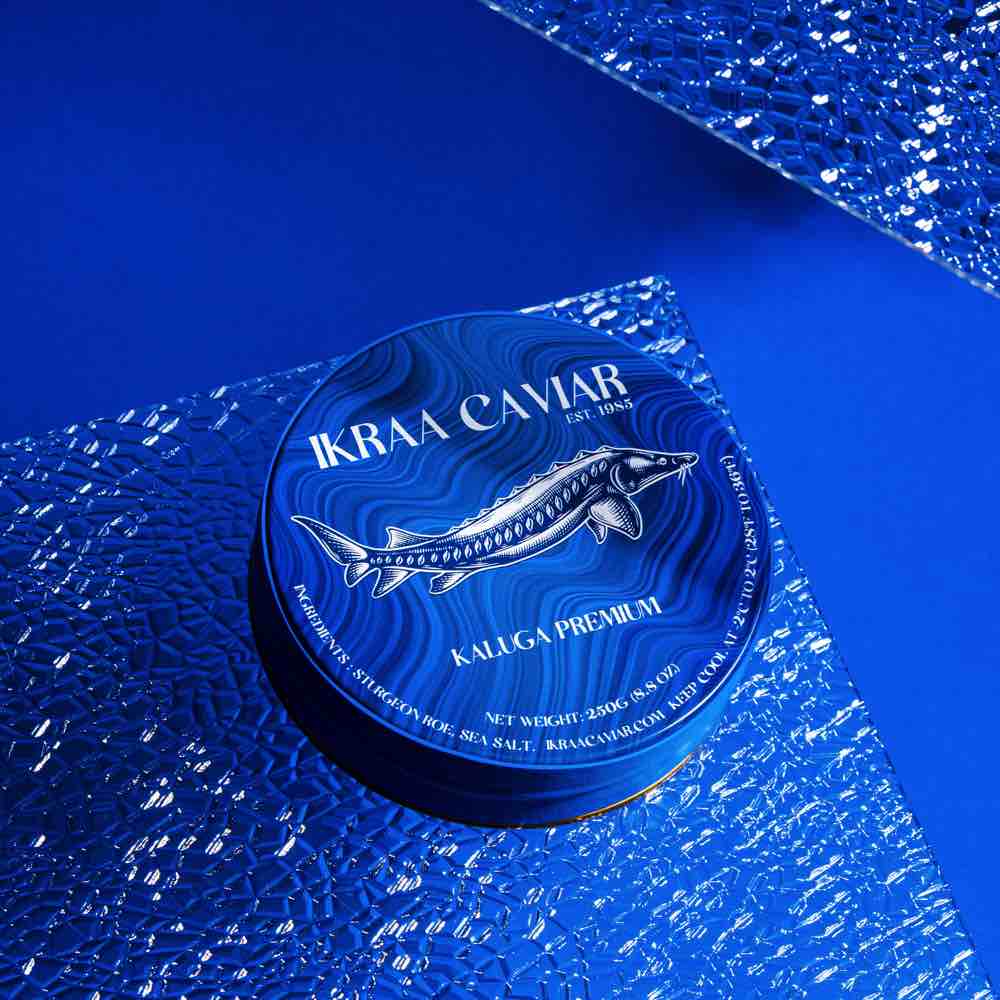
Kaluga (Huso dauricus)
-
Siberian Sturgeon (Acipenser baerii)
The result is a delicacy prized for its buttery texture, delicate pop, and refined complexity. Because sturgeon take years — sometimes over a decade — to mature and produce roe, the price of caviar reflects its extreme rarity and craftsmanship. This is why searches for “why is caviar so expensive” continue to rise; the answer lies in biology, time, and artisanal care.
Modern sustainable farms allow brands like IKRAA to offer exceptional caviar at accessible prices while maintaining impeccable quality. But no matter the source, the tasting principles are the same.
How to Serve Caviar Properly: The First Step to a Perfect Tasting Experience
Serving caviar correctly is essential to experiencing its true character. Even the finest roe can lose nuance when handled incorrectly. Here are the steps professional chefs and caviar masters follow.
1. Keep Caviar Cold — Never Frozen
Caviar should always be served well-chilled, ideally on ice. The ideal serving temperature is 26–32°F, cool enough to maintain structure without dulling flavor. Head chefs insist on tasting caviar cold because warmth can amplify saltiness and obscure delicacy.
If you plan to taste caviar at home, place the tin on crushed ice or in a dedicated caviar server bowl. This keeps the pearls firm and glossy throughout the experience.
2. Use the Right Spoon — Mother of Pearl Is Essential

Metal spoons can impart a metallic flavor, compromising the integrity of the roe. This is why searches for mother of pearl caviar spoon have become more frequent, and why luxury caviar is always served with:
-
Mother of pearl
-
Bone
-
Gold-plated utensils
IKRAA’s mother of pearl spoons are handcrafted to preserve the purity of each pearl, ensuring the flavor remains unchanged from tin to palate.
3. Avoid Strong Accompaniments (At First)
While blinis, crème fraîche, and accompaniments can be delicious, professionals always taste caviar pure first. Garnishes come later, after you understand the flavor of the roe itself.
How to Taste Caviar: The Chef’s Method for Evaluating Texture, Flavor, and Quality
Professional caviar tasting is very similar to wine tasting — it’s about engaging the senses. The following five steps mirror the rituals used by fine dining chefs and sturgeon farm experts.
Step 1: Observe the Pearls — Appearance Tells a Story

Look closely before tasting. High-quality sturgeon roe should display:
✔ Uniform pearl size
✔ Glossy, vibrant sheen
✔ Elegant colors ranging from silver-grey to amber gold
✔ Firmness and separation, never mushy or oily
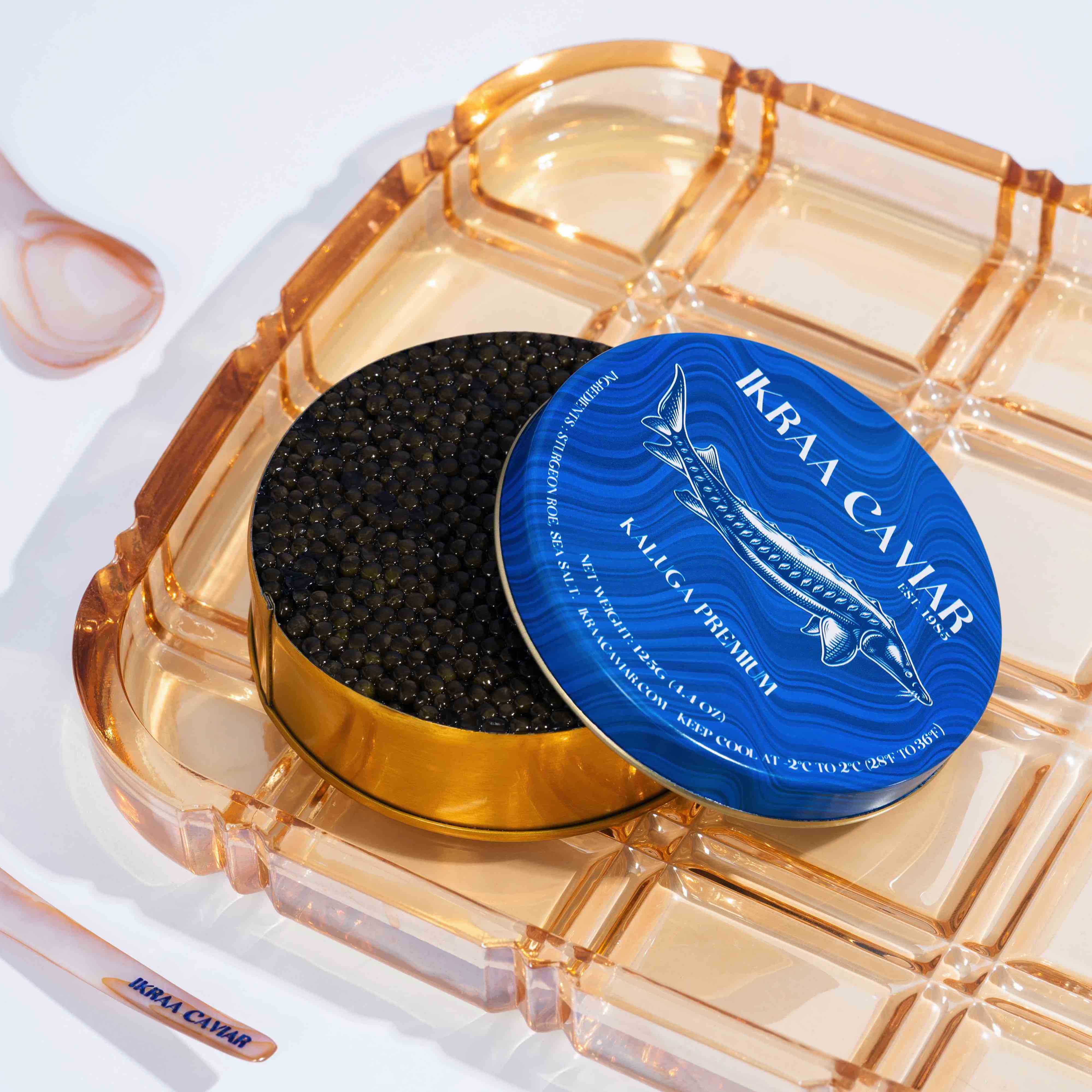
Osetra caviar, for example, often features warm golden hues, while Kaluga pearls tend to be larger and darker with incredible shine.
A dull or overly wet appearance may indicate poor handling or inferior quality.
Step 2: Feel the Texture — The Signature “Pop” of Premium Caviar
Texture is one of the most important indicators of freshness. Place a small spoonful on the back of your hand — a method chefs use to avoid imparting any outside flavors. Let it warm for a few seconds, then place it on your tongue.
A premium caviar such as Golden Osetra or Imperial Osetra should offer:
-
A gentle pop
-
Smooth release of oils
-
Satin-like texture
-
Distinct pearl separation
Texture is what separates ordinary roe from luxury caviar. Kaluga, for example, is known for its buttery softness, while Osetra is celebrated for its firmness and refined structure.
Step 3: Taste the Flavor in Layers — Caviar’s Multi-Dimensional Profile
The question “what does caviar taste like?” has no single answer, because each species offers a unique sensory experience. However, premium caviar typically delivers a three-phase tasting profile:
Phase 1: Clean Ocean Essence
Not fishy — ever. True caviar tastes like the crispest ocean breeze, with delicate salinity and freshness.
Phase 2: Buttery, Nutty, or Creamy Notes
This depends on the species.
-
Osetra is famously nutty.
-
Kaluga Premium is buttery and silky.
-
Beluga Hybrid is creamy with an exceptionally smooth finish.
Phase 3: Elevated, Lingering Finish
High-end caviar leaves a long, elegant finish on the palate — never bitter or harsh.
The depth of these layers is precisely why caviar is considered a fancy food, an expensive food, and a symbol of refined taste.
Step 4: Cleanse the Palate — Champagne or Vodka Only
Caviar pairs best with:
-
Dry Champagne or sparkling wine
-
Ice-cold vodka served neat
These beverages enhance the flavor while cleansing the palate for the next bite.
Step 5: Compare Varieties — The Tasting Flight Experience
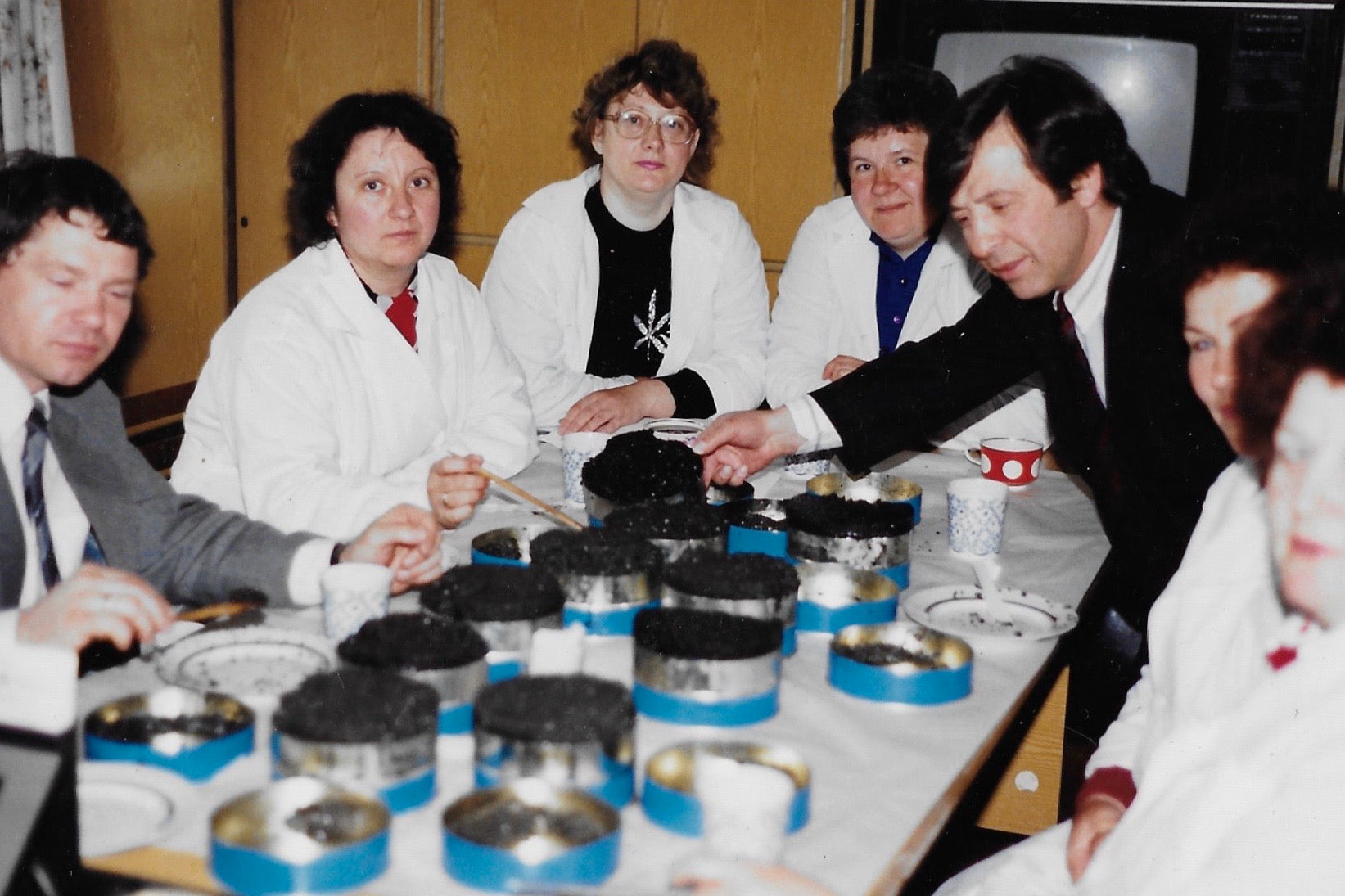
Comparing multiple caviars side-by-side is the fastest way to refine your palate. Chefs and connoisseurs value flights for their ability to highlight subtle nuances.
Osetra Caviar (Imperial or Golden)
-
Firm pearls
-
Nutty, complex flavor
-
Golden sheen
-
Elegant finish
Kaluga Caviar
-
Large pearls
-
Buttery, silky mouthfeel
-
Rich and warming flavor
-
Often compared to Beluga for decadence
Beluga Hybrid Caviar
-
The largest pearls among the varieties
-
Extremely smooth and creamy
-
Luxurious finish
IKRAA’s tasting sets are curated for this exact purpose, allowing you to explore the full spectrum of premium sturgeon caviar.
Why Is Caviar So Expensive? The Truth Behind Price and Rarity
Searches for phrases like “caviar cost,” “how much does caviar cost,” and “why is caviar so expensive” continue to grow each year. The answer lies in several factors:
⭐ 1. Time-Intensive Production
Sturgeon take 8–12+ years to reach roe maturity.
⭐ 2. Expert Care and Ethical Farming
Premium farms use sustainable aquaculture methods with extraordinary attention to water purity, diet, and health.
⭐ 3. Hand-Harvesting and Processing
Every tin of caviar is hand-selected and graded.
⭐ 4. Limited Global Supply
Demand for Kaluga, Osetra, and Beluga quality roe far exceeds availability.
This is why buying from a trusted luxury brand like IKRAA ensures authenticity, freshness, and proper handling.
Where to Buy Caviar Near Me: Why Consumers Choose IKRAA
With rising searches for “where to buy caviar near me,” “caviar near me,” and “caviar delivery,” consumers are looking for convenient, trustworthy providers. IKRAA offers:
-
Nationwide caviar delivery
-
Temperature-controlled packaging
-
Premium grading and hand-selection
-
Access to sought-after varieties like Golden Osetra and Beluga Hybrid
-
An elevated retail experience matching top restaurants
IKRAA is a second-generation luxury caviar house trusted by leading chefs — yet fully accessible to home consumers who want the world’s finest caviar delivered directly to their door.
How to Eat Caviar: Proper Serving Etiquette and Pairings
Once you've tasted caviar on its own, you can explore traditional accompaniments. Here’s how professional tasting transitions into a full culinary experience.
Classic Pairings
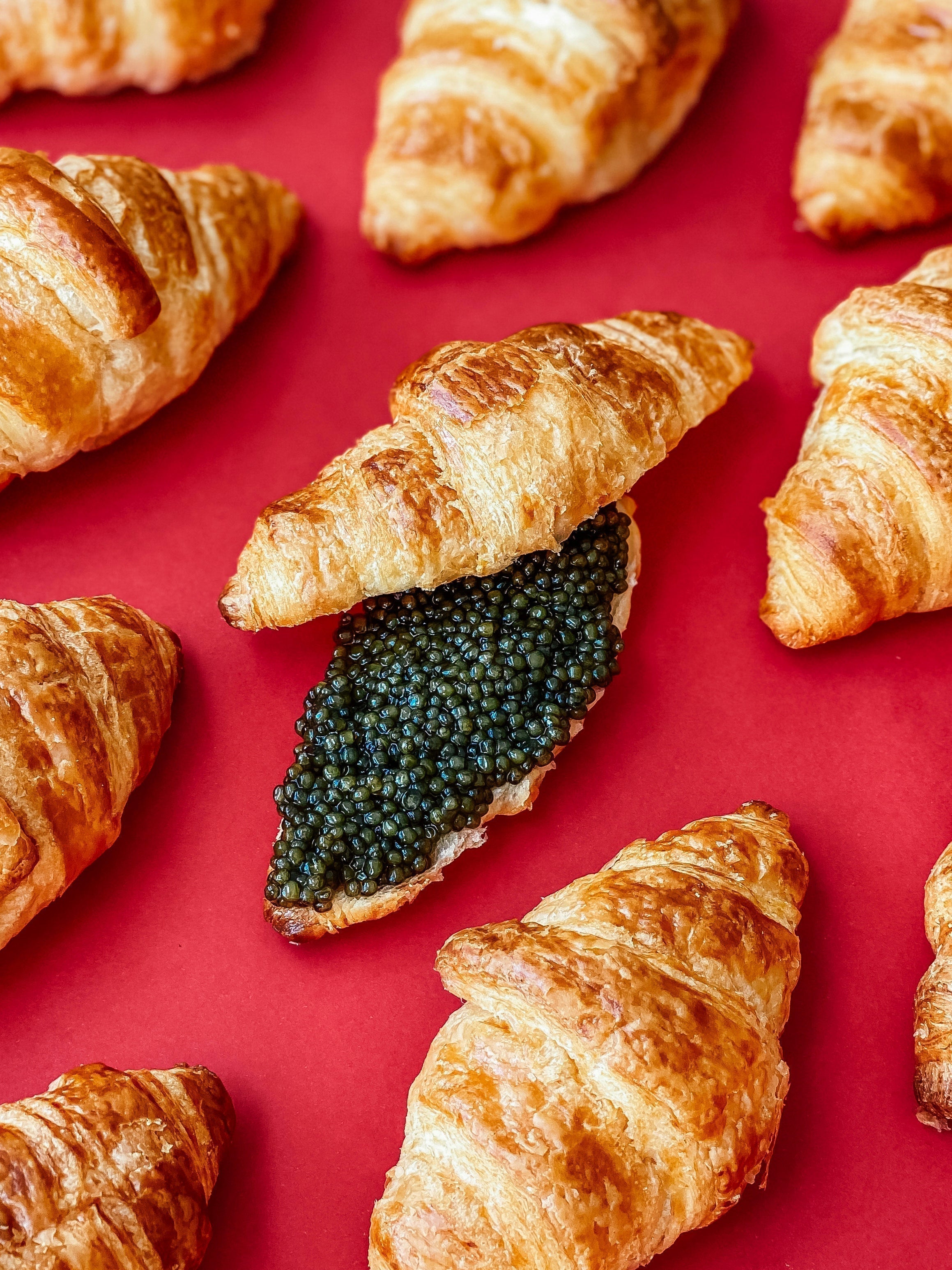
-
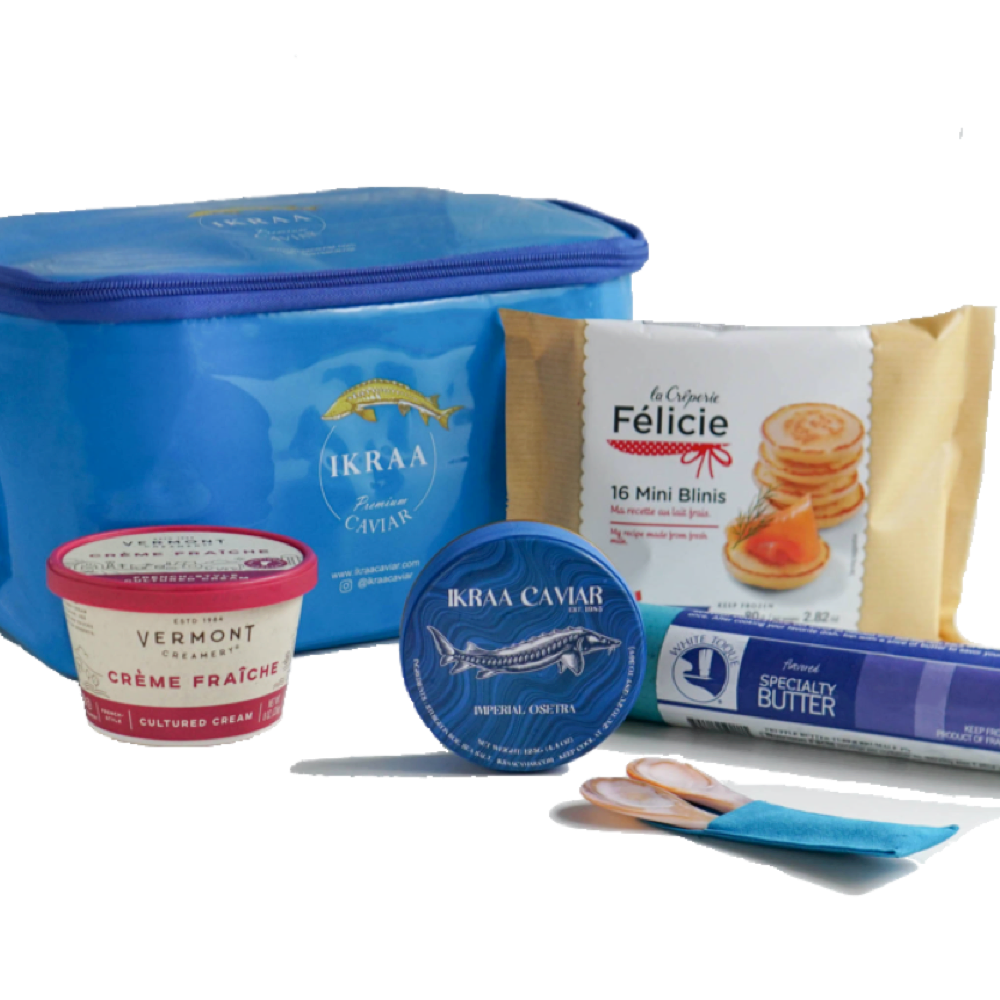
Mini blinis
-
Crème fraîche
-
Chives
-
Soft scrambled eggs
-
Toast points
IKRAA's gift sets include blinis, crème fraîche, and mother of pearl spoons, making them perfect for holidays, entertaining, or indulgent evenings.
Modern Pairings
-
Wagyu tataki
-
Fettuccine with butter
-
Potato latkes
-
Oysters
-
Sushi and sashimi
Caviar is versatile, luxurious, and transformative.
Choosing the Best Caviar for Your Taste and Budget
For First-Time Buyers
Kaluga Premium — rich, buttery, universally loved.
For Connoisseurs
Golden Osetra — nutty, complex, refined.
For Ultimate Luxury
Beluga Hybrid — smooth, creamy, iconic.
For Entertaining
Imperial Osetra — balanced, crowd-pleasing, elegant.
IKRAA’s curated selection ensures that every tin — regardless of size or budget — delivers uncompromising quality.
Final Thoughts: The Art and Joy of Tasting Caviar
Tasting caviar like a chef is not about rules — it’s about awareness and appreciation. With the right preparation, patience, and premium products, anyone can unlock the extraordinary world of caviar.
And when you want the finest expressions of Osetra, Kaluga, and Beluga Hybrid delivered directly to your table, IKRAA is the trusted luxury source, offering unmatched freshness, flavor, and elegance.